
Why Tourism Marketing Is Different
By 22 Marketing Studio
Executive Summary
- Tourism marketing is fundamentally different because it promotes experiences rather than products.
- Travelers make decisions based on emotions, expectations, and trust long before making a reservation.
- Every interaction contributes to how a brand is perceived.
- Successful tourism marketing aligns storytelling with the complete customer journey.
- Experience-driven brands create emotional value before promoting features.
The Industry at a Glance
Tourism is one of the world’s most experience-driven industries, where purchasing decisions are shaped by inspiration, trust, and emotional connection long before travelers complete a booking.
According to the World Travel & Tourism Council (WTTC), Travel & Tourism represents one of the world’s largest economic sectors, contributing significantly to global GDP and supporting hundreds of millions of jobs worldwide. As international travel continues to grow, brands no longer compete solely on price or location—they compete on the quality of the experiences they promise to deliver.
Research from Expedia Group’s Traveler Value Index also highlights that travelers spend considerable time researching destinations, comparing accommodations, reading reviews, and consuming digital content before making a reservation. Every interaction contributes to expectations and ultimately influences purchasing decisions.
For hotels, restaurants, tour operators, medical tourism providers, and destinations, marketing begins long before the guest arrives—and continues well after the experience ends.
Sources
- World Travel & Tourism Council (WTTC) – Economic Impact Research
- Expedia Group – Traveler Value Index
- UN Tourism – World Tourism Barometer
Why Tourism Marketing Is Different
Unlike many industries, tourism does not simply market products or services.
It markets anticipation.
When people choose a hotel, they are already imagining their vacation.
When they reserve a restaurant, they picture the celebration.
When they select a hospital abroad, they seek confidence before they ever meet a physician.
When they book a tour, they imagine the stories they will tell afterward.
This is what makes tourism marketing fundamentally different.
It begins with emotion long before the experience itself.

People Don't Buy Hotel Rooms. They Buy Memories.
A hotel room is only the setting.
The real value lies in what guests expect to experience within it.
A honeymoon overlooking the ocean.
A family vacation.
A quiet weekend to reconnect.
A milestone celebration.
Hospitality brands that communicate only amenities often compete on features.
Brands that communicate emotions compete on memories.
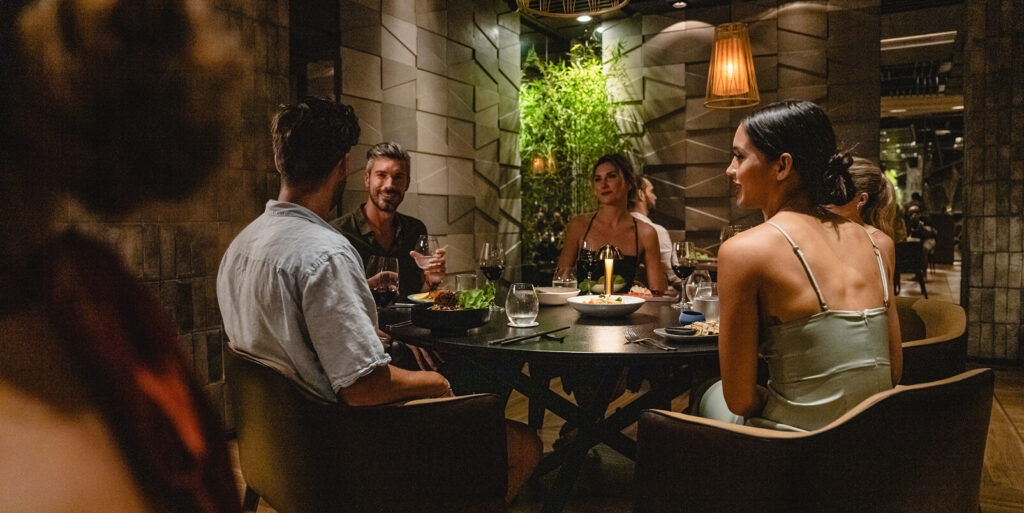
People Don't Book Restaurants. They Book Moments.
Restaurants are rarely chosen because of a menu alone.
People book restaurants to celebrate birthdays, anniversaries, business successes, reunions, or simply to enjoy meaningful time together.
The food is essential.
The moment is unforgettable.
Great restaurant marketing communicates atmosphere, emotion, and shared experiences—not just dishes.

People Don't Choose Hospitals. They Choose Trust.
Healthcare decisions are among the most emotional choices anyone can make.
Patients don’t evaluate technology alone.
They look for confidence.
Expertise.
Safety.
Empathy.
For medical tourism providers, trust becomes the foundation of every successful marketing strategy.
Long before treatment begins, patients need to feel that they are making the right decision.

People Don't Buy Tours. They Buy Experiences.
Travelers don’t purchase itineraries.
They purchase stories.
A whale shark encounter.
A freediving certification.
A culinary journey.
A cultural immersion.
These experiences become memories that last far beyond the trip itself.
The most successful tourism brands understand that people remember how an experience made them feel—not simply what they purchased.
Why This Changes the Way Tourism Should Be Marketed
Traditional marketing often focuses on product features, pricing, or specifications.
Tourism marketing works differently.
Its objective is to reduce uncertainty, inspire confidence, and create emotional desire before a purchase is ever made.
Photography becomes storytelling.
Content becomes inspiration.
Branding becomes expectation.
Customer service becomes part of marketing.
Every touchpoint contributes to the overall experience.
When these elements work together, marketing no longer promotes a product.
It begins shaping the experience before the journey even starts.
Executive Insight
“The most successful tourism brands understand that people rarely remember the room, the table, or the itinerary. They remember how those experiences made them feel.
Marketing in our industry isn’t about promoting products. It’s about shaping expectations, building trust, and creating emotional connections long before the guest arrives.
That’s why tourism marketing deserves strategies designed specifically for experience-driven brands.”
Carlos Chavez Correa
Founder & CEO
22 Marketing Studio
About 22 Marketing Studio
22 Marketing Studio is a boutique marketing agency specializing in tourism, hospitality, medical tourism, luxury experiences, and experience-driven brands.
We help organizations build stronger brands through strategic marketing, branding, content creation, digital experiences, and performance-driven campaigns designed to connect with today’s travelers and guests.
Frequently Asked Questions
What makes tourism marketing different from traditional marketing?
Tourism marketing promotes experiences rather than physical products. Purchasing decisions are driven by emotions, trust, storytelling, and expectations, making customer perception a critical part of the marketing strategy.
Why is customer experience important in tourism?
Customer experience influences satisfaction, online reviews, repeat visits, and brand reputation. Every interaction—from discovering a destination online to post-trip communication—shapes how travelers perceive a brand.
How does storytelling influence travel decisions?
Storytelling allows travelers to imagine themselves living an experience before making a reservation. Emotional narratives inspire confidence, create stronger brand connections, and help destinations and hospitality brands stand out in competitive markets.
Why do hospitality brands need specialized marketing strategies?
Hospitality brands face unique challenges such as seasonality, reputation management, longer booking journeys, and emotionally driven purchasing decisions. Specialized marketing strategies help address these complexities while creating memorable guest experiences.
What is experience-driven marketing?
Experience-driven marketing is an approach that places customer emotions, expectations, and meaningful interactions at the center of every strategy. Rather than focusing only on products or services, it emphasizes the experiences people anticipate, live, and remember.