
Tourism & Hospitality Marketing:
Why Experience-Driven Brands Need a Different Strategy
By 22 Marketing Studio
Behind Every Great Experience Is a Great Strategy.
Executive Summary
Marketing an experience is fundamentally different from marketing a product.
A hotel is more than a room. A destination is more than a place. A restaurant is more than a menu. A hospital specializing in medical tourism offers more than healthcare—it offers confidence, trust, and peace of mind.
Experience-driven brands sell emotions before transactions, making their marketing challenges unique.
This is why they require a different strategic approach.
In this article, we explore why traditional marketing often falls short for tourism, hospitality, healthcare, and other experience-focused industries—and why strategy should always come before content, campaigns, or advertising.
The Industry at a Glance
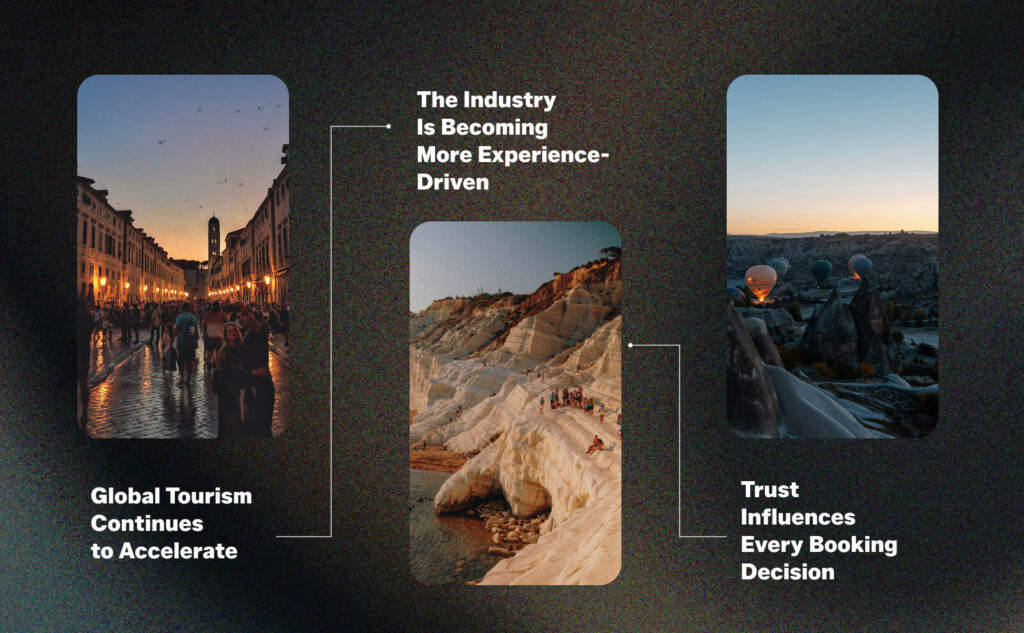
Global Tourism Continues to Accelerate
Travel & Tourism continues to be one of the world’s fastest-growing economic sectors, with long-term growth projected to outpace the global economy over the next decade.
The Industry Is Becoming More Experience-Driven
Organizations across tourism and hospitality are investing more heavily in personalization, digital transformation, customer experience, and trust as key competitive advantages.
Trust Influences Every Booking Decision
Whether choosing a hotel, a destination, a healthcare provider, or a tour operator, customers increasingly rely on digital experiences, online reputation, and strategic communication before making a purchase decision.
Sources: World Travel & Tourism Council (WTTC), OECD Tourism Trends & Policies 2026, European Commission – Tourism Transition Pathway.
The Experience Economy Has Changed Marketing
Today’s consumers rarely purchase based solely on price or product features.
Instead, they seek experiences.
They compare reviews before making reservations.
They explore destinations through social media before booking flights.
They watch videos before choosing a restaurant.
They research hospitals before traveling abroad for medical procedures.
They evaluate trust long before making contact.
For experience-driven brands, every digital interaction becomes part of the customer journey.
Marketing is no longer about promotion.
It is about creating confidence.
Why Experience Brands Require a Different Strategy
Many businesses can rely on straightforward product marketing.
Experience brands cannot.
Hotels, destinations, restaurants, tour operators, healthcare providers, real estate developments, and professional service firms all share one defining characteristic:
They ask customers to make decisions before experiencing the service itself.
A traveler books a resort without sleeping in the room.
A patient chooses a hospital before meeting the medical team.
A family invests in real estate before living in the property.
A client selects a notary before signing one of the most important legal documents of their life.
Every decision is built on perception.
That perception is shaped through strategic communication.
Strategy Before Execution
Many organizations begin their marketing efforts by asking questions like:
“Should we post more on Instagram?”
“Should we run Meta Ads?”
“Should we redesign the website?”
These are important tactical questions.
But they are rarely the first questions that should be answered.
The first questions are strategic.
- Who are we trying to reach?
- What makes our brand different?
- Why should customers trust us?
- What experience do we want people to remember?
- Which business objectives should marketing support?
Without answering these questions first, marketing becomes reactive instead of intentional.
Marketing Is More Than Content
One of the most common misconceptions is that marketing starts with creating content.
In reality, content is only one expression of a much larger strategy.
Successful marketing integrates brand positioning, communication, customer insights, visual identity, advertising, analytics, and continuous optimization into one cohesive system.
Content performs better when it is guided by purpose.
Advertising becomes more efficient when supported by clear positioning.
Creative ideas become more memorable when they reinforce a consistent brand story.
The Experience Strategy Framework™
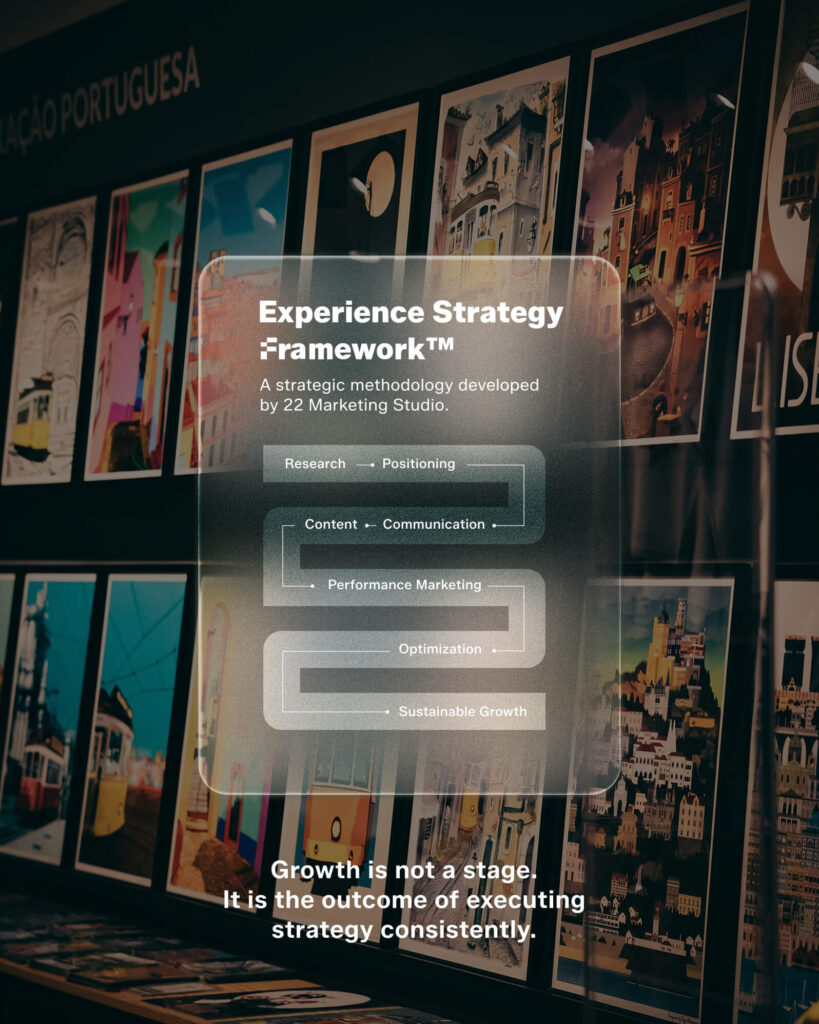
After more than 17 years working with experience-driven brands, we have refined a strategic methodology that helps transform business objectives into meaningful marketing initiatives.
We call it the Experience Strategy Framework™.
Rather than treating branding, content, advertising, and analytics as separate disciplines, our framework connects every stage of the marketing process into one strategic approach.
The framework consists of six interconnected pillars:
- Research – Understanding the business, market, competitors, and audience.
- Positioning – Defining what makes the brand different.
- Communication – Establishing messaging, tone of voice, and communication pillars.
- Content – Creating stories that educate, inspire, and build trust.
- Performance Marketing – Amplifying the strategy through digital advertising and targeted campaigns.
- Optimization – Measuring performance, identifying opportunities, and continuously improving results.
Growth is not a stage. It is the outcome of executing strategy consistently.
Growth is the result of executing each pillar consistently.
Industries Where Strategy Creates the Greatest Impact
Although every organization is unique, experience-driven industries share common marketing challenges.
These include:
- Hotels & Resorts
- Tourism Destinations
- Tour Operators
- Restaurants
- Medical Tourism
- Private Healthcare
- Professional Services
- Real Estate
- Lifestyle Brands
Each industry requires different tactics.
But all require the same strategic foundation.
Why Experience Marketing Matters
People don’t remember advertisements.
They remember experiences.
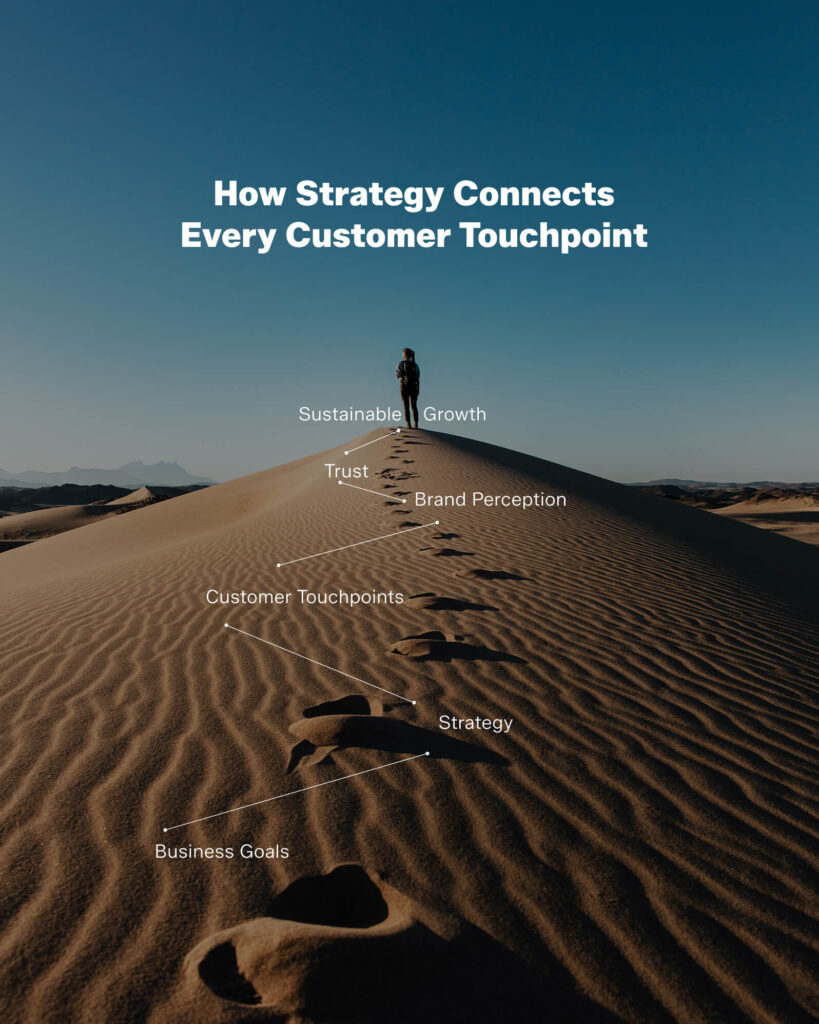
Every interaction—from discovering a destination online to reading reviews, visiting a website, speaking with a sales representative, or walking through the front door—contributes to the overall perception of a brand.
Marketing should never be viewed as isolated campaigns.
It should be viewed as the intentional design of every touchpoint throughout the customer journey.
When strategy leads the process, brands become more consistent, more recognizable, and ultimately more valuable.
Key Takeaways
- Experience-driven brands require a different marketing approach.
- Strategy should always come before execution.
- Marketing is far more than content creation.
- Consistency builds trust.
- Every customer interaction influences brand perception.
- Sustainable growth begins with a clear strategic foundation.
Looking Ahead
This article introduces the philosophy behind Experience Marketing Insights.
In future chapters, we’ll explore:
- Why Tourism Marketing Is Different
- The Experience Strategy Framework™
- What’s Included in a Marketing Strategy?
- Industry Case Studies
- Strategic Guides for Experience-Driven Brands
Executive Insight
Every year, marketing introduces new platforms, new technologies, and new trends.
Today it’s AI.
Tomorrow it will be something else.
Throughout more than 17 years working with experience-driven brands, I’ve learned that while innovation should always be embraced, no technology can replace a clear strategy.
Before thinking about content, advertising, or artificial intelligence, organizations need to define who they are, who they serve, what they want to achieve, and how success will be measured.
Trends evolve.
Algorithms change.
But a strong marketing strategy remains the foundation that gives every campaign purpose and direction.
Behind Every Great Experience Is a Great Strategy.
Carlos Chávez
CEO | 22 Marketing Studio
About 22 Marketing Studio
22 Marketing Studio is a strategic marketing consultancy specializing in Tourism, Hospitality & Experience Marketing.
For more than 17 years, we have partnered with hotels, tourism brands, restaurants, healthcare organizations, real estate developments, and experience-driven businesses to build stronger brands through strategy, communication, content, and performance marketing.
Because behind every great experience is a great strategy.
Frequently Asked Questions
What is experience marketing?
Experience marketing focuses on building meaningful connections between brands and people through every stage of the customer journey—not just through advertising.
Why is tourism marketing different?
Tourism brands sell experiences that customers cannot evaluate before purchase, making trust, storytelling, positioning, and strategic communication essential.
What industries benefit from this approach?
Hotels, resorts, destinations, restaurants, tour operators, medical tourism providers, healthcare organizations, professional services, real estate developments, and lifestyle brands all benefit from a strategic, experience-focused marketing approach.
What is the Experience Strategy Framework™?
The Experience Strategy Framework™ is the proprietary methodology developed by 22 Marketing Studio to help experience-driven brands align research, positioning, communication, content, performance marketing, and optimization into one cohesive strategy.